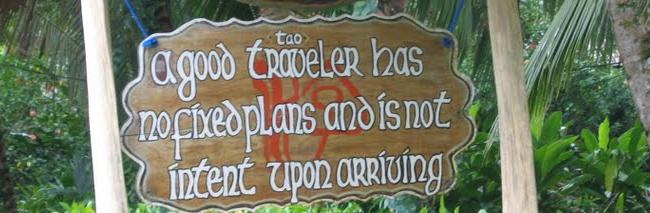
Just a quick note to wish everyone a Happy Turkey Day (we are a little late but its India)! We are in Pushkar through the weekend and then heading back to Delhi on Sunday to finish with the passports and visas AGAIN. We have been keeping busy taking drum lessons (on traditional Indian drums), yoga and Mika has enrolled in a Reflexology course! There is so much to learn!
Here are some other things we are thankful for:
· Western style toilets
· Toilet paper
· Hooks in your room (you would be surprised how few there are)
· The person who picks up the cow poop on the street every day
· The Yankees for winning the World Series and the hours of playoff baseball I now get to watch when we get back.
· President Obama who makes traveling so much more pleasant than George ever did
· All the people that have helped make this possible
Love - Alan and Mika
Saturday, November 28, 2009


Monday, November 23, 2009
Chitwan National Park, Nepal 11/8-11


After spending a few more days recouping in the hippy trekker town of Pokhara, Alan and I decided to treat ourselves to the ultimate Nepalese tourist experience, Chitwan National Park. We both wanted a break from planning and we signed up for a package with a preset itinerary. Three and a half days filled with an elephantastic tour of activities. There was the elephant and jeep safari through the jungle to look for rhinos, a canoe ride down the river, a nature walk (where we were able to get up close and personal with a rhino. He must have been only 25 meters away and when he moved everyone ran, including someone’s guide who bee lined it up a tree – always comforting!), and perhaps the best was when we were picked up at our hotel by an elephant and rode him bareback down to the river for his bath time.
All photos for Chitwan and the following entry for Varanasi are thanks to our friend Ella, who we ran into again in Pushkar. Out of everything in the backpack that was lost I will miss the photos of Alan and me bareback on the elephants while they are in the river the most, maybe we will try and superimpose ourselves at a later date, for now we can use our imagination.
-Mika
One Foot in Front of the Other
I’d like to say that trekking the Annapurna was exactly what I expected it to be: Endless panoramic view of the world’s highest mountain range, an up close look at the local villages and a chance to see how the Nepalese lived in such remote places. I also expected a pretty good workout and to further test my abilities as a climber. It is this last item in which the Annapurna Circuit pushed me way beyond my expectations.
Part of climbing, and what I love so much about it, is the freedom that comes with being off everyone’s radar. You are completely reliant on yourself. There is no winning or losing or even keeping score for that matter. You either do it or you don’t. The trick is knowing, and accepting, when you “don’t”.
What makes the Annapurna Circuit so interesting is that it is a marathon and there is plenty of time for anything to happen. In our case it was Mika coming down with a stomach bug while we were trying to acclimate to the high elevation. At Upper Pisang on the fifth night, Mika got sick. I’m not totally sure I know why she got sick. We think it was a combination of the altitude and the food but I don’t know which came first. Regardless, it persisted on and off got the next eight days. By the time we reached Yak Kharta on the afternoon of Day 8 I started thinking about exit options. We were 2 days from summiting the pass, two to three days from an airport (maybe more depending on seat availability) and 7 days from walking out.
This hike quickly became my test. No matter how we had gotten there, Mika was looking to me for answers and how to get us out. This was her first (and probably last!) time trying anything like this and so she had no idea what to expect. (She was also spending an inhumane amount of time in the bathrooms which I wouldn’t wish on anyone.) The night at Yak Kharta was endless. In the valley the sun was setting around 6pm. As soon as it got dark the temperature dropped 40-50 F°s - from the mid 60°’s in the afternoon to the teens and single digits at night. Yak Kharta is also located in the center of the valley above tree line so there is nothing to block the wind from rushing through the village. Mika took a nap in the courtyard sun when we arrived around 1pm and went back to the room around 5ish as the temperature began to drop. I think I ordered her a bowl of soup and brought it to the room. She had maybe three spoonfuls and then the fun started. The details of the night do not need to be repeated.
During the nights events I broached the subject of turning around. It was something I selfishly did not want to do but Mika had to know it was an option. On several occasions she refused and insisted that we move ahead. She was not giving up. The morning we left Yak Kharta for Ledar I knew we were going to make it. It wasn’t going to be easy but I could tell that Mika was going to will her body over the pass. She was determined. I’m not sure if I found myself in the same position I would be able to do what she did.
From that point on I became a one man cheering squad. All the “pleasantries” that Mika could throw at me were brushed off; it was just her frustration letting loose (Although it does give me certain liberties in the future!). I must have asked her 100 times a day how her feet were, how her stomach was, did she have a headache? We tried to talk about anything but the looming summit.
By the time we reached the top, I think Mika was finished. Her body, knowing that the worst was over, wanted to get down immediately. This was the toughest part of the climb for me. Here we were standing at the top of an 11 day journey and all I wanted to do was enjoy the moment. We had accomplished so much and an acknowledgment of our effort was in order. Mika’s body thought otherwise – we descended.
Over the next couple days her energy, and appetite, increased. We talked about the summit several times and I could not emphasize enough what an incredible thing she had just accomplished. She shrugged it off because she had not done it in the style she envisioned. I, on the other hand, believe that as long as you made it to the top under your own power you did it. No questions asked. I think she finally came around and now looks back with a sense of pride and accomplishment. Like every climber does, Mika learned that the body is an incredibly powerful tool – even when not at full strength. Hopefully, like me, she carries this knowledge into every aspect of her life.
The Annapurna Circuit was so many things for me. We met some wonderful people along the way, most of whom I hope I cross paths with again, and saw some amazing terrain. The Nepalese people live so simply that you think you have been transported back in time. The guides and porters that work in these mountains posses super human strength and endurance that allows normal people like us (that was a generalization – we did it the old fashion way) to see their home. It was also an incredible bonding experience for Mika and me. For almost a week we worked together getting each other over the pass. As ill as she was at some points she was still able to smile and laugh and every morning she got up and put her pack back on. I learned that my wife is a tough cookie, probably more than she knows, and if she ever complains about anything being too hard again I can always say, “”Is it harder than the Annapurna Circuit?” I didn’t think so.
Part of climbing, and what I love so much about it, is the freedom that comes with being off everyone’s radar. You are completely reliant on yourself. There is no winning or losing or even keeping score for that matter. You either do it or you don’t. The trick is knowing, and accepting, when you “don’t”.
What makes the Annapurna Circuit so interesting is that it is a marathon and there is plenty of time for anything to happen. In our case it was Mika coming down with a stomach bug while we were trying to acclimate to the high elevation. At Upper Pisang on the fifth night, Mika got sick. I’m not totally sure I know why she got sick. We think it was a combination of the altitude and the food but I don’t know which came first. Regardless, it persisted on and off got the next eight days. By the time we reached Yak Kharta on the afternoon of Day 8 I started thinking about exit options. We were 2 days from summiting the pass, two to three days from an airport (maybe more depending on seat availability) and 7 days from walking out.
This hike quickly became my test. No matter how we had gotten there, Mika was looking to me for answers and how to get us out. This was her first (and probably last!) time trying anything like this and so she had no idea what to expect. (She was also spending an inhumane amount of time in the bathrooms which I wouldn’t wish on anyone.) The night at Yak Kharta was endless. In the valley the sun was setting around 6pm. As soon as it got dark the temperature dropped 40-50 F°s - from the mid 60°’s in the afternoon to the teens and single digits at night. Yak Kharta is also located in the center of the valley above tree line so there is nothing to block the wind from rushing through the village. Mika took a nap in the courtyard sun when we arrived around 1pm and went back to the room around 5ish as the temperature began to drop. I think I ordered her a bowl of soup and brought it to the room. She had maybe three spoonfuls and then the fun started. The details of the night do not need to be repeated.
During the nights events I broached the subject of turning around. It was something I selfishly did not want to do but Mika had to know it was an option. On several occasions she refused and insisted that we move ahead. She was not giving up. The morning we left Yak Kharta for Ledar I knew we were going to make it. It wasn’t going to be easy but I could tell that Mika was going to will her body over the pass. She was determined. I’m not sure if I found myself in the same position I would be able to do what she did.
From that point on I became a one man cheering squad. All the “pleasantries” that Mika could throw at me were brushed off; it was just her frustration letting loose (Although it does give me certain liberties in the future!). I must have asked her 100 times a day how her feet were, how her stomach was, did she have a headache? We tried to talk about anything but the looming summit.
By the time we reached the top, I think Mika was finished. Her body, knowing that the worst was over, wanted to get down immediately. This was the toughest part of the climb for me. Here we were standing at the top of an 11 day journey and all I wanted to do was enjoy the moment. We had accomplished so much and an acknowledgment of our effort was in order. Mika’s body thought otherwise – we descended.
Over the next couple days her energy, and appetite, increased. We talked about the summit several times and I could not emphasize enough what an incredible thing she had just accomplished. She shrugged it off because she had not done it in the style she envisioned. I, on the other hand, believe that as long as you made it to the top under your own power you did it. No questions asked. I think she finally came around and now looks back with a sense of pride and accomplishment. Like every climber does, Mika learned that the body is an incredibly powerful tool – even when not at full strength. Hopefully, like me, she carries this knowledge into every aspect of her life.
The Annapurna Circuit was so many things for me. We met some wonderful people along the way, most of whom I hope I cross paths with again, and saw some amazing terrain. The Nepalese people live so simply that you think you have been transported back in time. The guides and porters that work in these mountains posses super human strength and endurance that allows normal people like us (that was a generalization – we did it the old fashion way) to see their home. It was also an incredible bonding experience for Mika and me. For almost a week we worked together getting each other over the pass. As ill as she was at some points she was still able to smile and laugh and every morning she got up and put her pack back on. I learned that my wife is a tough cookie, probably more than she knows, and if she ever complains about anything being too hard again I can always say, “”Is it harder than the Annapurna Circuit?” I didn’t think so.
My Own Adventure
Although I have never had the desire to summit anything, I assumed that part of my grandfather’s love and skill for climbing was in me and Alan kept saying that it would be a great way to experience Nepal. He seemed so excited about it that I agreed. I thought that with his recent interest in summiting things (Mount Rainer and the Grand Tetons) would have prepared him for the physically demanding experience and he would be able to give me some insight into what to expect. Upon our arrival in Nepal I realized that he knew as much as I did and that neither of us had done the proper research only looking at a few blogs.
Never in my wildest dreams could I have anticipated what our 16 day trek in the Himalaya would have in store for me. Later I accepted the fact that I was in denial about what this trek really entailed. Even when we began to gather our gear of down jackets, hats, gloves and waterproof pants in Katmandu I somehow convinced myself that it would only be cold close to the summit and that surely Alan wouldn’t take me out into freezing temperatures for too long because he knew how I disliked the cold. This will go down in history as the greatest attest of my love for him and I will never let him forget it.
So, our adventure began with much excitement and by the end of day one I was exhausted. This hike was much more demanding then I could have anticipated, especially with a 25 pound pack on my back. As we trekked small Nepalese men half our size were running up the mountain sides with very large loads strapped to their heads. I then realized that 60-70 percent of the trekkers had hired porters to carry their backpacks. Why was I unaware of this option before we started? There were trekkers with just their cameras and water bottles taking in the sights. I must admit I was envious on more than one occasion.
By day two my shoulders and hips, where my pack rest, ached and I began to develop some serious blisters on both feet despite the layers of moleskin religiously placed to deter them. Alan and I soon realized that we had packed too much and tried to shed a few pounds of gear.
I started feeling the effects of the altitude in Upper Pisang. I was exhausted, nauseous and had a headache. This was the first of 5 or so days that I would be unable to eat dinner. Meanwhile Alan over the course of this entire trip only suffered from the occasional mild headache.
Then there were the toilets, an item that I got up close and personal with. All the toilets along the trek were squat toilets, basically holes in the ground with a place for your feet and a cup in water bucket as your means of “flushing” (As we continued towards the pass the temperature was so cold that all the buckets for flushing froze-imagine that). In Yak Karda we had the good fortune, as I would really appreciate later, of having an attached toilet in our room for the first time. A few hours later, I had food poisoning. It was a cold, small, concrete room that was begging for a proper cleaning. There is nothing like being sick in a foreign environment without the creature comforts of home. What I would have given for some saltines and ginger ale or a bath!! Instead I had to settle for curry spiced soup with stale biscuits and would spend the next 3 days without a shower. It was also freezing. So cold in fact that the next morning we decided to head up to the next town of Ledar in hopes that those guesthouses would be a bit warmer. The guesthouse in Ledar was in fact warmer and I spent that day and night in bed. The four hour push to Throng Pedi the next day was a tough, very slow hike. Upon our arrival I managed to eat lunch but, still feeling weak and suffering from altitude sickness, I questioned my ability to make tomorrows climb over the pass. The morning of the pass was not a pleasant experience. Every step I took I was out of breath from the lack of oxygen and very cold. I made it but not in the graceful, life changing experience way I had anticipated. I arrived at the top, spent a few minutes and then ran down the other side so frustrated and desperate to get to a lower altitude so I could feel better. Two days later we were below 10,000 feet and after a week of illness I was beginning to enjoy the hike again and appreciate what was around me. On the bright side I came back at least 10 pounds lighter and with a lot more muscle mass then when I started. I would recommend this to others as the worst, but fastest, diet-get-in-shape plan around.
Although half of the climb was spent testing my body’s capability when I thought that it could not go on, trekking the circuit did have many enjoyable experiences. There is nothing like the exhilaration and nervousness of looking down the ledge of a fresh path through a recent landslide or allowing yourself the time for silence while trekking through such remote areas, washing away all of the sensory stimulation and just focusing on the rhythmic ritualistic walking. I found the basic creature comforts were a luxury; I relished a hot shower and a warm place to sleep. The ways of life of the people are set back in time, where everything is still done by hand. There is no rush and without all the excess the people who live in these villages above all seemed happy and content in their simplicity. Towards the end of the climb I was especially able to appreciate the polarity of when my body felt well and how much easier mundane things were. Above all, it was especially in those moments of intense emotions that I realized how happy I was to have someone like Alan by my side and that we had fun and made it together.
Never in my wildest dreams could I have anticipated what our 16 day trek in the Himalaya would have in store for me. Later I accepted the fact that I was in denial about what this trek really entailed. Even when we began to gather our gear of down jackets, hats, gloves and waterproof pants in Katmandu I somehow convinced myself that it would only be cold close to the summit and that surely Alan wouldn’t take me out into freezing temperatures for too long because he knew how I disliked the cold. This will go down in history as the greatest attest of my love for him and I will never let him forget it.
So, our adventure began with much excitement and by the end of day one I was exhausted. This hike was much more demanding then I could have anticipated, especially with a 25 pound pack on my back. As we trekked small Nepalese men half our size were running up the mountain sides with very large loads strapped to their heads. I then realized that 60-70 percent of the trekkers had hired porters to carry their backpacks. Why was I unaware of this option before we started? There were trekkers with just their cameras and water bottles taking in the sights. I must admit I was envious on more than one occasion.
By day two my shoulders and hips, where my pack rest, ached and I began to develop some serious blisters on both feet despite the layers of moleskin religiously placed to deter them. Alan and I soon realized that we had packed too much and tried to shed a few pounds of gear.
I started feeling the effects of the altitude in Upper Pisang. I was exhausted, nauseous and had a headache. This was the first of 5 or so days that I would be unable to eat dinner. Meanwhile Alan over the course of this entire trip only suffered from the occasional mild headache.
Then there were the toilets, an item that I got up close and personal with. All the toilets along the trek were squat toilets, basically holes in the ground with a place for your feet and a cup in water bucket as your means of “flushing” (As we continued towards the pass the temperature was so cold that all the buckets for flushing froze-imagine that). In Yak Karda we had the good fortune, as I would really appreciate later, of having an attached toilet in our room for the first time. A few hours later, I had food poisoning. It was a cold, small, concrete room that was begging for a proper cleaning. There is nothing like being sick in a foreign environment without the creature comforts of home. What I would have given for some saltines and ginger ale or a bath!! Instead I had to settle for curry spiced soup with stale biscuits and would spend the next 3 days without a shower. It was also freezing. So cold in fact that the next morning we decided to head up to the next town of Ledar in hopes that those guesthouses would be a bit warmer. The guesthouse in Ledar was in fact warmer and I spent that day and night in bed. The four hour push to Throng Pedi the next day was a tough, very slow hike. Upon our arrival I managed to eat lunch but, still feeling weak and suffering from altitude sickness, I questioned my ability to make tomorrows climb over the pass. The morning of the pass was not a pleasant experience. Every step I took I was out of breath from the lack of oxygen and very cold. I made it but not in the graceful, life changing experience way I had anticipated. I arrived at the top, spent a few minutes and then ran down the other side so frustrated and desperate to get to a lower altitude so I could feel better. Two days later we were below 10,000 feet and after a week of illness I was beginning to enjoy the hike again and appreciate what was around me. On the bright side I came back at least 10 pounds lighter and with a lot more muscle mass then when I started. I would recommend this to others as the worst, but fastest, diet-get-in-shape plan around.
Although half of the climb was spent testing my body’s capability when I thought that it could not go on, trekking the circuit did have many enjoyable experiences. There is nothing like the exhilaration and nervousness of looking down the ledge of a fresh path through a recent landslide or allowing yourself the time for silence while trekking through such remote areas, washing away all of the sensory stimulation and just focusing on the rhythmic ritualistic walking. I found the basic creature comforts were a luxury; I relished a hot shower and a warm place to sleep. The ways of life of the people are set back in time, where everything is still done by hand. There is no rush and without all the excess the people who live in these villages above all seemed happy and content in their simplicity. Towards the end of the climb I was especially able to appreciate the polarity of when my body felt well and how much easier mundane things were. Above all, it was especially in those moments of intense emotions that I realized how happy I was to have someone like Alan by my side and that we had fun and made it together.
Friday, November 20, 2009
The Annapurna Circuit 10-21 to 11-5 Part 1
During this 16 day trek we both kept journals so that when we got back to sea level we could communicate the adventure we just had. We think we did a pretty good job of it too. But before we could translate ink to blog, everything was stolen. So, we are doing this from memory. If any of the wonderful people we met along the way read this and have anything to add, feel free. The mind has a way of changing history sometimes! (It's only been 2 weeks since we finished but our days are filled with so many new experiences that they feel like 5 normal ones!)
With that said, we have decided to document this trip the following way....this post (in 2 parts) is a description of the hike with as many facts and photos about it as possible. The following two posts will be an account of each of our personal experiences. Although it was an amazing trek, we each took very different paths getting there. So, here we go.....
Some background- The Annapurna Circuit is a 220km trek that begins northeast of Pohkara, Nepal's second largest city, in a village called Besi Shahar. As the name implies, the trek circumnavigates the Annapurna Range mostly following the Marsyangdi and Kali Gandaki Rivers. Included in this are Annapurna I though IV (Annapurna I being the world's 10th highest peak) and Thorung La Pass (the world's highest pass).
Day 1: Besi Shahar (760m) to Bahundanda (1310m)
The first day is a long 17km hike starting from Besi Shahar - a small village that probably derives 75% of its income from trekkers from all over the world. The trail literally begins on the road down the center of the village. As the paved road ends the trail continues to drop down toward the river. It quickly crosses the first bridge of many - although as if to weed out the weak of heart, the first bridge is a rickety old bamboo one. The trail follows the river for most of the day, passing from village to village. This first 7-9km is still accessible by vehicle so every once in a while you are dusted by a jeep carrying "cheating" trekkers. There is no easing into anything. The trail undulates through terraced rice fields all day with little shade from the sun.
The day ends with a final gain in elevation. You literally climb a set of long steps into the guest house. The views are stunning, as expected and at only ~3900 feet at the end of the day, the weather is still moderate.


Day 2: Bahundanda to Tal (1700m)
Today was another lengthy day with considerable elevation gain. The trail continues to follow the river through many small villages, terraced rice fields and fields of marijuana. As the altitude increases the views become more dramatic. There are plenty more bridge crossings and incredible waterfalls. Just before reaching Tal the trail looses significant elevation to come back to river bank. Tal is located directly on the sandy shore at a point where the river widens significantly which probably saves the village during the summer monsoon months. It gets significantly colder when the sun goes down as we are now above 5,000 feet and we sleep with our thermals on for the first of many nights!
To understand the structure of the trek we should explain how the guest houses are set up. Speaking with some of the locals we learned that the trail and its trekkers are responsible for many of the villages along the route. The trail is usually the main road through the villages and acts as the lifeline between them. It is used just like any main highway connecting multiple cities – just substitute donkey trains for 18 wheelers. Most of the trail is unreachable by any motorized vehicle but there are plans to change that. These plans have been in the works for 40 years and hopefully it will be another 40 before it becomes a reality. The villages have sprung up as the popularity of the trail has grown. Each village consists mostly of multiple guest houses which are run by families that live there during the trekking season (there are 2 seasons, spring and fall) although some of the villages are habited year round. The guest houses usually follow a similar format: simple rooms with twin beds (mostly doubles for 2 people although there are some dorm styles). There are one or two common bathrooms and maybe a room or two that has a private bathroom (usually more expensive though). The guest houses are typically masonry or wood construction, no insulation, no heat and sometimes no electricity. Most of the houses have some sort of solar water heater that provides just enough hot water for all the people showering before you! There is a common dining area with a connecting kitchen. At lower elevations wood or kerosene is used as fuel (usually with no flue) but as you get above tree line yak or cow dung takes the place of wood. The menu varies slightly – very slightly. Because the villages and the trail fall within the Annapurna Conservancy, the government agency has stepped in to regulate prices and assist with villager-tourist relations which benefits both the trekkers and the locals. The higher you go, the higher the prices get. The rooms are cheap with the understanding that you will eat at the guest house. We did encounter some people who did not abide by the unwritten rule and the host gave them a mouthful or they were kicked out. On average, $20/day/person will get you everything you need. The guest houses fill up every day with the incoming batch of trekkers and empty every morning when they leave. No reservations needed – it’s a first come first serve policy. This does become interesting though because at higher altitudes the pace slows and the villages are near capacity every night. So some days are a race to get a bed. If you show up and there is nothing left you either hike further up or back down, or you shack up in the dining room. This becomes interesting because most of the tour companies hire many porters who can run ahead and book rooms for their respective group. Something we complained about amongst ourselves plenty! There is also guaranteed to be at least one “convenience store” at each village selling snacks and beverages. And as you get higher you quickly learn to check the expiration date on everything!


Day 3: Tal to Danakyu (2300m)
Shockingly the trail continues to climb! Although it’s a gain of 600m it’s a relatively short day of following the river and crossing more bridges. Danakyu is little more that a stretch of 5 or so guest houses along the trail. The short day gives us a chance to rest and recoup our energy. As we ascend the altitude will begin to play a larger part in our everyday routine.


Day 4: Danakyu to Chame (2670m)
Leaving Danakyu the trail splits into a higher and lower route. The higher cuts into the mountainside with a steep elevation gain while the lower continues to follows the river. Curiously enough the lower route is closed due to a landslide…so up we go. The intense elevation climb begins with a series of cutbacks up the face of a small mountain. The terrain goes from almost rain forest like to alpine and the views of Annapurna II become spectacular as we get closer to Chame. We did come across an inter-village soccer game at almost 6000 feet which was pretty impressive. Chame is a much larger village that straddles the river. The map indicated that there were hot springs nearby (Alan was very excited by this so we dropped our stuff, grabbed our towel and headed over) but all we found was a trickle of scalding water that fell into a concrete tub occupied by a local kid who continued to tell the woman that he loved them. In the evenings at this elevation it is getting cold quickly, probably hovering around 0 degrees Celsius at night.


Day 5: Chame to Upper Pisang (3300m)
Today we began to hit tree line and the hike was fairly easy until the end of the day when we made our way into Upper Pisang. The town of Pisang is actually divided into “Upper” and “Lower” which means exactly that (Lower Pisang is located on the river 100m below). We are told that the views at Upper Pisang are spectacular and the extra effort is well rewarded. We were not misled. After crossing the river and heading up the mountainside the trail becomes lost in a series of animal pastures. We followed the pastures until they brought us to the base of the town. The views of both Annapurna II and IIV are spectacular, even from our bedroom. The views are all on the east side of the river so the sunset views are even more dramatic. The owner of the four room guesthouse we stayed at had the smarts to run the hot water pipes through his kitchen stove (creating his own boiler system). He therefore has hot water 24 hours a day! Funny enough though, we thought it was too cold outside to shower.
At 3300m (~10,000 feet) the altitude begins to play its role. Acute Mountain Sickness (AMS) defined by shortness of breath, insomnia, headaches, loss of appetite and energy, vomiting and nausea becomes a daily discussion. Mika begins to experience some of these symptoms somewhere between lunch and dinner. From this point on we start hiking much slower and become much more aware of each days elevation gain.


Monday, November 16, 2009
The Annapurna Circuit Part 2
Day 6: Upper Pisang to Manang (3540m)
We chose to continue following the trail out of Upper Pisang instead of heading to Lower Pisang and following the route along the river. The upper route ascends 470m before coming back down to the river at 3330m where it reconnects with the lower trail and continues on to Manang. The climb proves to be a good test of how to regulate ourselves in the higher altitude. The trail follows a series of many, many switchbacks until it reaches the village of Ghyaru. After passing through, the trail cuts back into the range and out of the windswept valley. Trees and shrubs resurface and the terrain becomes alpine again. Shortly after a long descent begins during which the terrain quickly turns from alpine to desert-like and by the time it reaches Manang only small low lining shrubs exist.The day long hike provides panoramic views of the two Annapurna peaks and as you pull into Manang, Annapurna III nicely fills in the background. Manang is one of the largest villages on the trail. It is commonly used a multi-day stop for trekkers to acclimate and rest before making a final push over the pass. The village has two movie theatres (small rooms with a stove, a row of benches covered in yak fur and a TV.), a medical office with a Western doctor, bakeries and the opportunity to hire horses/porters to assist any weary climbers. There are also day hikes to nearby glaciers that we chose to ignore completely!


Day 7: Manang - Rest Day
We spent the day doing laundry, relaxing and taking a hot/warm shower. We caught a movie at one of the theatres (the movie was chosen by popular vote from the DVD library) and sat by the fire playing backgammon and eating chocolate cake. Well deserved!


Day 8: Manang to Yak Kharka (4018m)
The short 4 hour hike, which we took very slow, brought us above the 12,000 feet mark. Although the views continue to impress, the trail terrain is little more than rock, sand and small shrubs. Yak Kharka is a simple village with little to offer than a bed and meal. For the first time along our trek we had a room with a bathroom attached. This came in handy as Mika fell very ill later that afternoon. It was a long night after which we concluded that it would be faster to get up and over the pass than return back down. We are committed.
About an hour up the trail, illness is requiring us to slow down and rest. Surprisingly enough we discovered that Mika’s illness was at least in part due to a bacterial food poisoning coupled with some level of AMS. She is relieved by the fact that there are many more ill people in Ledar, including our German friends who we thought had headed to the pass a day ahead of us, indicating that it was not the AMS causing the bulk of the illness.

Day 10: Ledar to Thorung Phedi (4450m)
This 4 hour stretch is the next to last push. The snow line grows closer and as you enter the village of Thorung Phedi you can feel the energy of summit day (or at least Alan could). The facilities are surprisingly good considering it is located at ~15,000 feet. We learn from one of the guest house owners that he flew in via helicopter equipment to create electricity from the nearby river. We also learned that most of the guest houses along the trail are owned by only four families! It reached -12 degrees Celsius that night.


Day 11: Summit Day - Thorung Phedi to Thorung La (5416m) to Muktinath (3760m)
Waking up at 3:45am, we eat breakfast and are on the trail by 4:45. The trail is steep and zigzags up the face. It is a cold two hour hike to base camp which is primarily used for the climbers summiting the neighboring peaks. It also provides a nice rest stop to warm up and watch the sun rise. From here on out the trail is a continuous, but slow, four hour climb to the pass although we kept on hearing it was just 20 minutes away! Or just over that ridge. It never ended! We were told that the oxygen levels in the air are now 50% of that at sea level. Whatever the percentage was, the going was slow and it was difficult to catch your breath.
Believe it or not there is a snack shop at the summit which serves hot drinks! The atmosphere is festive and the elevation marker is covered in Tibetan prayer flags. We spent just enough time at the summit for a couple pictures and to take in the view. It was then a long 6 hour descent down the other side. Absolutely brutal on the knees and calves. It began to get much warmer and we had to stop for water because we were both dehydrated.
We finally made it to the Bob Marley Guest House in Muktinath – easily the best food along the trail. After hot showers and some good food and drink, we all collapsed!


Day 12: Muktinath to Jomson (2720m)
The terrain on this side of the mountain range is very different. There are a couple scattered farms but it is mostly arid terrain set along a dried out riverbed. A four hour morning hike brought us below 10,000 feet. We ate lunch and then paid a couple local kids to take us the last few kilometers to Jomson on their tractor.
The village of Jomson is nothing to write home about. It mainly serves as an outpost for the Nepalese Army and as a departure point for trekkers due to its airport and this is where the road back to Pohkara begins. This is as far as the road has come to date. We found what we thought was quiet guesthouse towards the edge of town but it turned out a small music crew was there filming a video the next day. They got very drunk and there was a long draw out pushing match which ended up being our evening entertainment.
Our German friends, Stephan and Nannette, whom we had spent the last 12 days with, were flying back to Pohkara the next morning. This was the last night we would spend together. It was strange to say goodbye and head out on the trail alone after completing such an epic journey together.
Instead of following the road on foot and being continually dusted by the jeeps and buses we opted to catch a ride the next morning to a village about 40km down the trail known for its hot springs.


Day 13: Jomson to Tatopani (1190m)
To say the ride from Jomson to Tatopani was scary is a huge understatement. The “road” barely qualifies as anything more than a wide trail. It winds along the mountain cliffs sometimes several hundred feet above the valley floor and is littered with landslides and eroding edges. We kept switching seats because the view from the window made our stomachs churn and we each secretly wished we were walking again. The effects became even more dramatic when another vehicle approached from the opposite direction.
But the risk was well worth the reward. Tatopani was tremendous. In Nepalese, “Tato” means hot and “pani” means river and it is aptly named. The village is set on the river bank on top of a natural occurring hot spring which has been diverted to flow into two large stone lined pools. For 40 Nepalese Rupees (~0.60 USD) we could soak ourselves all day. There was even a snack and beverage stand pumping out beach music! It was here that we ran into a handful of the people we had met days earlier on our approach to the summit and it was good to catch up and exchange stories.
To top it all off our guesthouse was set among orange, lemon, and mandarin trees and served up some delicious fare.
Day 14: Totapani to Shikha (1935m)
After a lazy morning and long breakfast we hit the trail again. We veered off the road 10 minutes after leaving Tatopani and begin a two day climb that will take us up to Poon Hill for a panoramic view of the entire range. The trail was empty and the terrain has become lush and fertile again. We walk through several villages and it becomes apparent how hard these people must work just to move around every day. There isn’t a flat piece of land, other than the terraced fields, within sight. They literally live on the side of the mountains.
By late afternoon we are exhausted from the climb and stop about midway to Poon Hill. To be more accurate, Mika was not exhausted and practically skipped upped the last 50m of steps. It seemed the AMS and stomach bug had finally passed! The view from our room was only surpassed by that of the rooftop deck. A panorama of the entire range was beginning to unfold.


Day 15: Shikha to Ghorepani (2860m)
We both awoke feeling very sore. We immediately knew that this was not going to be as enjoyable as the previous day. After two weeks of hiking with 25-34 pound packs, we were beginning to feel the effects. We took our time and made it to Ghorepani by early afternoon. The views have only gotten better as we gained elevation and we chose to stay at the highest hotel in the village – aptly named the Highview Guest House! On a recommendation we got in Totapani we headed for a restaurant known for its corn bread. We stayed for 3 hours enjoying the food and talking to more hikers we had met earlier in the week.
Poon Hill is at 3193m and is only a short 45min hike from the village. It is the highest peak in the area and known to have superb sunrise views of the range. After much debate, we decide that we are probably only going to be here once so how could we not get up at 5am and see it.
Day 16: Ghorepani to Poon Hill (3193m) to Nayapul (1070m)
Although the views from Poon Hill were stunning and it was fun to be amongst the crowd for sunrise, the views were probably just as good from our hotel room! But after braving the morning cold to see the sunrise, and back to the corn bread restaurant for breakfast, we began the descent home. The first 2 hours were what we expected - a pleasant, descending hike through plush terrain. However, just after a village called Banthanti we came upon an area called the Stone Steps. For the next 3+ hours we walked down thousands of stone steps of varying heights. With the packs on this quickly became extremely taxing on the legs. Again, it was amazing to think that people lived on these steps. Every move they made was either up or down, every day of their lives. And just imagine the people that built these.
We eventually made it down and it was an hour or so further to Nayapul where a bus took us back to Pohkara. The strenuous days hike and the heat wore us out but the celebration would be had later that night at a proper restaurant after a long, hot shower!


Love -
Alan and Mika
Subscribe to:
Comments (Atom)


